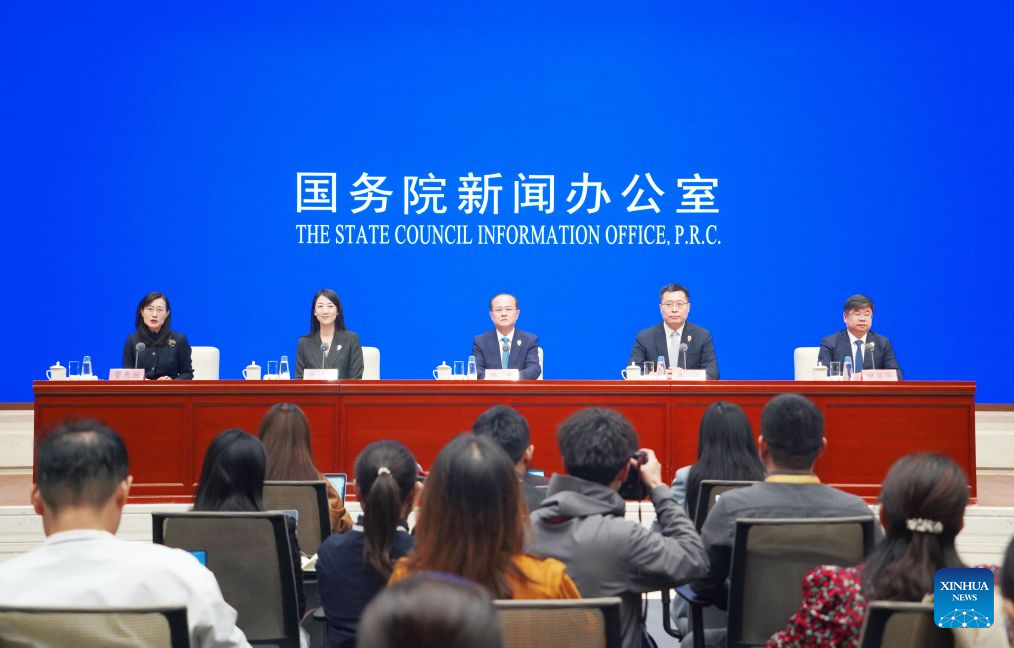
The State Council Information Office (SCIO) holds a press conference on preparations for the 9th China International Import Expo, in Beijing, capital of China, Oct. 16, 2026. (Xinhua/Pan Xu)
BEIJING, Oct. 16 (Xinhua) — U.S. companies will top the exhibition area at the ninth China International Import Expo (CIIE) for the eighth time, with their area up 1,500 square meters from last year, an official said on Friday.
The ninth CIIE will be held in Shanghai from Nov. 5 to 10. Launched in 2018 as the world’s first national-level expo dedicated to imports, the CIIE was designed to expand China’s opening up and turn its vast market into a shared opportunity for the world.
Preparations for the ninth CIIE are basically complete. A total of 162 countries, regions and international organizations will take part, with 4,142 overseas companies exhibiting, China’s Vice Minister of Commerce Yan Dong told a press conference.
The overall exhibition area will exceed 440,000 square meters for the first time. In the enterprise exhibition, companies from the United States, Germany, Britain and France will lead the pack in terms of exhibition space.
For the first time, the number of Fortune Global 500 companies and industry leaders attending the event will surpass 300. Additionally, over 2,000 companies will be exhibiting at the CIIE for the first time.
This year’s CIIE will feature over 200 representative global debuts and first-time exhibits. A variety of cutting-edge innovations that empower industries and enhance people’s lives will be showcased together, including endoscopic surgical robots and cochlear implants.
Ahead of this year’s CIIE, matchmaking sessions themed under “export to China” were held in countries including Egypt, Germany and Britain, bringing procurement talks to the doorstep of trading partners.
The CIIE is a prominent example of China’s efforts to expand imports and provide more channels for quality products from around the world to enter the Chinese market. This commitment has remained high on China’s agenda, and the results are tangible.
According to the General Administration of Customs, China’s imports reached 16.7 trillion yuan (about 2.48 trillion U.S. dollars) in the first nine months of this year, up 22.3 percent, the fastest growth since 2021.
Minister of Commerce Wang Wentao said earlier this year that China’s market holds huge potential, adding that the country will bring in more agricultural goods, quality consumer products, advanced technology equipment and key components. Meanwhile, platforms like the CIIE will be fully used to expand import channels, he said.
“Exports and imports are like two wheels of a vehicle. The more balanced they are, the smoother and farther it goes,” Wang said.
An aerial drone photo taken on Oct. 1, 2026 shows the Land Fingerprint Concert held in Dafang County of southwest China’s Guizhou Province. (Xinhua/Yang Wenbin)
BEIJING, Oct. 17 (Xinhua) — Poverty eradication is “a common ideal of humanity,” Chinese President Xi Jinping has once said.
Five years after China declared a complete victory in the fight against absolute poverty in 2021, its approach continues to inspire poverty reduction efforts worldwide.
Xi’s dedication to poverty alleviation spans decades, from his early work in poor rural communities to the nationwide campaign he led and his efforts to promote international cooperation — a long-running endeavor that resonates as the world marks the International Day for the Eradication of Poverty on Saturday.
A DECADES-LONG PURSUIT
“A weak hatchling bird can be the first to fly, and the poorest can be the first to become rich,” Xi wrote in a 1988 essay on the development of Ningde Prefecture in east China’s Fujian Province.
The following summer, Xi, then Ningde’s Party secretary, traveled by car and on foot to reach Xiadang, a remote mountain township that had no road access.
Xi returned to Xiadang twice, helping tackle problems with roads, electricity and water supplies. In 2019, residents wrote to tell him that their township had shaken off poverty, and he replied with congratulations.
After becoming China’s top leader, Xi continued his hands-on approach to poverty reduction. He conducted more than 50 inspections and research visits related to poverty alleviation, traveling to all 14 of the country’s contiguous areas of extreme poverty.
In February 2018, Xi visited impoverished Yi families in Zhaojue County, Sichuan Province, asking about their livelihoods and discussing ways to tackle poverty with villagers and local officials.
“Not a single ethnic group or family should be left behind in building a moderately prosperous society in all respects,” he said during the visit.
On Feb. 25, 2021, Xi declared a “complete victory” in China’s fight against absolute poverty. Over eight years, nearly 100 million rural residents had been lifted out of absolute poverty, enabling the country to meet the poverty reduction target of the UN 2030 Agenda for Sustainable Development a decade ahead of schedule.
In a congratulatory letter to Xi, UN Secretary-General Antonio Guterres called the achievement “a reason for hope and inspiration to the entire community of nations.”
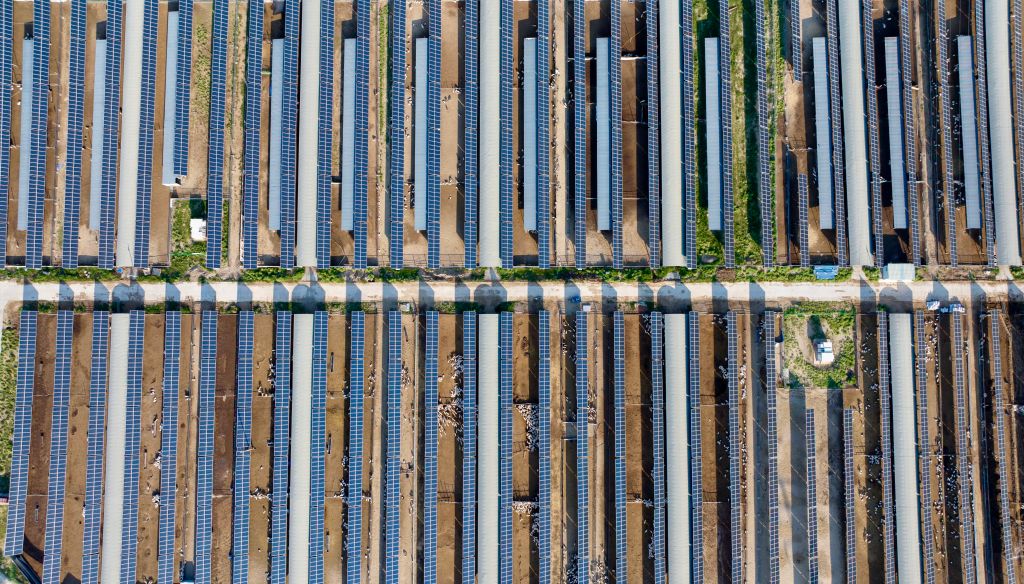
An aerial drone photo taken on Sept. 11, 2026 shows a livestock-photovoltaic integration project in Yuanyi Village, Minning Town, Yongning County of Yinchuan, northwest China’s Ningxia Hui Autonomous Region. (Xinhua/Yang Zhisen)
LESSONS BEYOND BORDERS
China’s poverty reduction experience has attracted attention from leaders around the world, some of whom have sought inspiration from Xi’s writings and visited places where his ideas were put into practice.
Xi’s early ideas on poverty reduction and economic development were collected in “Up and Out of Poverty,” a collection of speeches, articles and interviews from 1988 to 1990 during his tenure in Ningde. Explaining the title, Xi wrote that its significance lay first and foremost in uprooting the “poverty mentality” and “poverty thinking.”
In a foreword to the book’s Uzbek edition published in 2023, President of Uzbekistan Shavkat Mirziyoyev said the work remained an important source of guidance for state and social governance more than three decades after its initial publication.
During his visit to China this month, President of Botswana Duma Gideon Boko traveled to Fuzhou and Ningde in Fujian Province, where Xi once worked, and visited an exhibition on poverty reduction. During talks with Xi in Beijing, Boko depicted China’s development as “an economic and political miracle never seen in history.”
In June 2018, Bounnhang Vorachith, then President of Laos, visited Shibadong Village in central China’s Hunan Province to learn about China’s approach to poverty reduction. In villager Shi Basan’s home, he paused before a photograph showing Xi chatting with her beside a fire pit.
During that November 2013 visit, Xi first proposed “targeted poverty alleviation” in a discussion with villagers, calling for measures tailored to local conditions and each household’s needs.
After retracing Xi’s route and speaking with residents, Bounnhang voiced hope of bringing the village’s experience back to Laos. In reply to a letter from the villagers the following year, he praised Shibadong’s success as offering invaluable lessons for his country.
In September 2026, Prime Minister of Madagascar Mamitiana Rajaonarison also visited Shibadong, where he witnessed first-hand residents’ changing lives and watched demonstrations of traditional Miao ethnic embroidery. He said the visit shown him Xi’s deep concern for the people and provided inspiration for Madagascar.
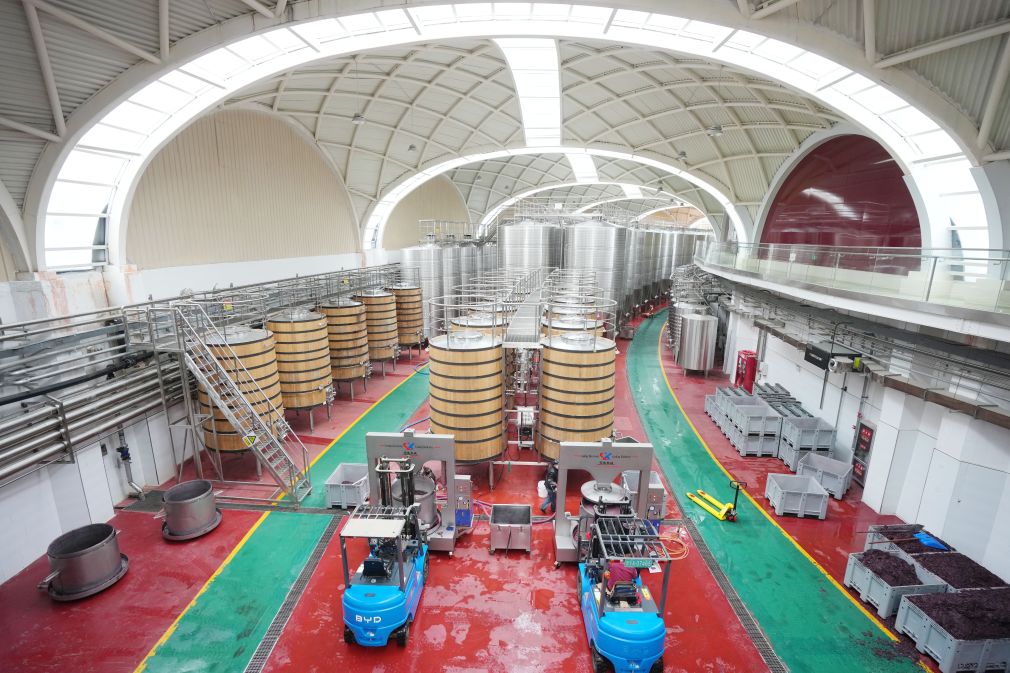
Staff work at a winery of Minning Town, Yongning County in Yinchuan, northwest China’s Ningxia Hui Autonomous Region, Oct. 14, 2025. (Xinhua/Wang Peng)
TURNING EXPERIENCE INTO ACTION
Xi’s efforts to share China’s poverty reduction experience abroad date back to his early tenure in Fujian Province.
There, he promoted Juncao technology as part of Fujian’s poverty reduction cooperation with northwest China’s Ningxia Hui Autonomous Region. In 2000, he introduced the technology to a visiting governor from Papua New Guinea and later helped establish a China-aided Juncao demonstration base in the Pacific island country.
Juncao technology uses grass to cultivate mushrooms and provide livestock feed. The technology has spread to more than 100 countries, creating hundreds of thousands of jobs.
In Zimbabwe, farmer Mandiudza Masvongo has earned 330 U.S. dollars from selling mushrooms since taking up Juncao cultivation in June 2025. The proceeds have helped her start a small cleaning products business, which she said could mark a turning point in her life.
Beyond agriculture, China’s development assistance has also improved basic services and created opportunities for small businesses. In Cambodia’s Tanorn village, a China-aided project brought better roads, clean water and solar power. Por Sokhim, once dependent on rice farming, now runs a grocery store, while her husband operates a motorcycle repair shop.
In 2021, Xi proposed the Global Development Initiative, with poverty reduction and food security among its priorities. In the five years since its launch, cooperation projects under the initiative have taken root and delivered tangible results in more than 120 countries.
At the 2024 G20 summit in Rio de Janeiro, Xi drew upon China’s experience to express confidence in the prospects for poverty reduction across the developing world.
“If China can make it, other developing countries can make it too. This is what China’s battle against poverty says to the world,” he told world leaders.
Passengers in the departure hall of the Huanggang Port in Shenzhen, south China’s Guangdong Province, Oct. 12, 2026. (Xinhua/Liang Xu)
BEIJING, Oct. 17 (Xinhua) — The APEC CEO Summit 2026 will be held in Shenzhen, south China’s Guangdong Province, on Nov. 17 and 18, with one month to go before the region’s top business and government leaders gather to chart a course for Asia-Pacific prosperity.
Under the theme “promoting prosperity together for a win-win future,” several APEC economy leaders will attend alongside business representatives, with discussions covering Asia-Pacific free trade area development, connectivity, artificial intelligence (AI), the digital economy, the Guangdong-Hong Kong-Macao Greater Bay Area and sustainable development.
The two-day event is organized by the China Council for the Promotion of International Trade (CCPIT).
Ng Yih Pyng, president of the Associated Chinese Chambers of Commerce and Industry of Malaysia, said he looks forward to this summit driving smoother trade and economic flows, deeper industrial cooperation and more tangible business opportunities for companies across the region.
He called for progress on trade facilitation, lower cross-border business costs, and more cooperation in digital trade, AI applications, talent training and green technology.
An important event in the APEC calendar, the APEC CEO Summit has been held annually since 1996, serving as the highest-level platform for APEC economy leaders and business representatives to discuss open cooperation and advance regional economic development.
China has identified openness, innovation and cooperation as the three priority areas for this year’s APEC cooperation, responding to the new opportunities and challenges facing the region. Business leaders believe the three priorities reflect the broadest common ground among all parties.
Masaharu Nakayama, executive officer of Panasonic Holdings Corporation Group, said Asia Pacific’s economic dynamism is rooted in open cooperation.
The business community should deepen supply chain and value chain integration, tap new opportunities in AI, the digital economy and sustainable development through stronger connectivity, and together expand the pie of cooperation so that development benefits all economies in the region, he said.
On innovation cooperation, Ng highlighted the complementarity between Malaysia and China.
China has rich experience in digital technology, AI, advanced manufacturing and e-commerce, while Malaysia offers a solid manufacturing base, diverse talent and ASEAN business networks, he said, noting that the two countries could move toward industrial and innovation partners to explore regional markets.
During the 2026 APEC “China Year,” regional business cooperation has advanced steadily, with deeper consensus on strengthening cooperation, tighter connectivity, and a stronger foundation for practical collaboration.
Ren Hongbin, chairman of the CCPIT, said the CCPIT will host a high-quality summit and launch a Shenzhen initiative to facilitate the building of the Asia-Pacific community.
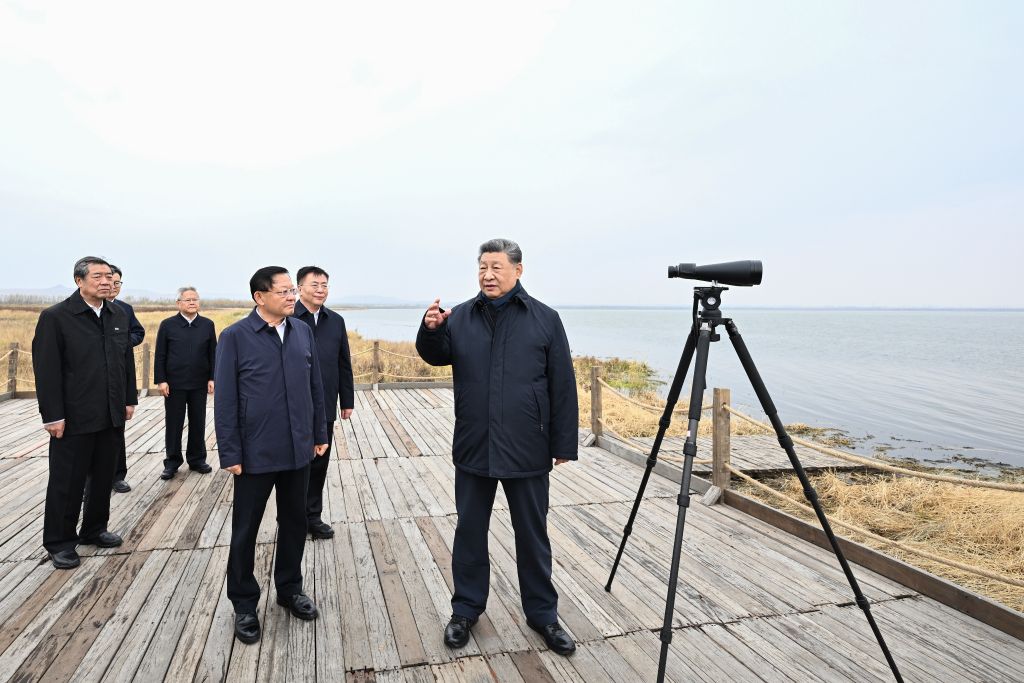
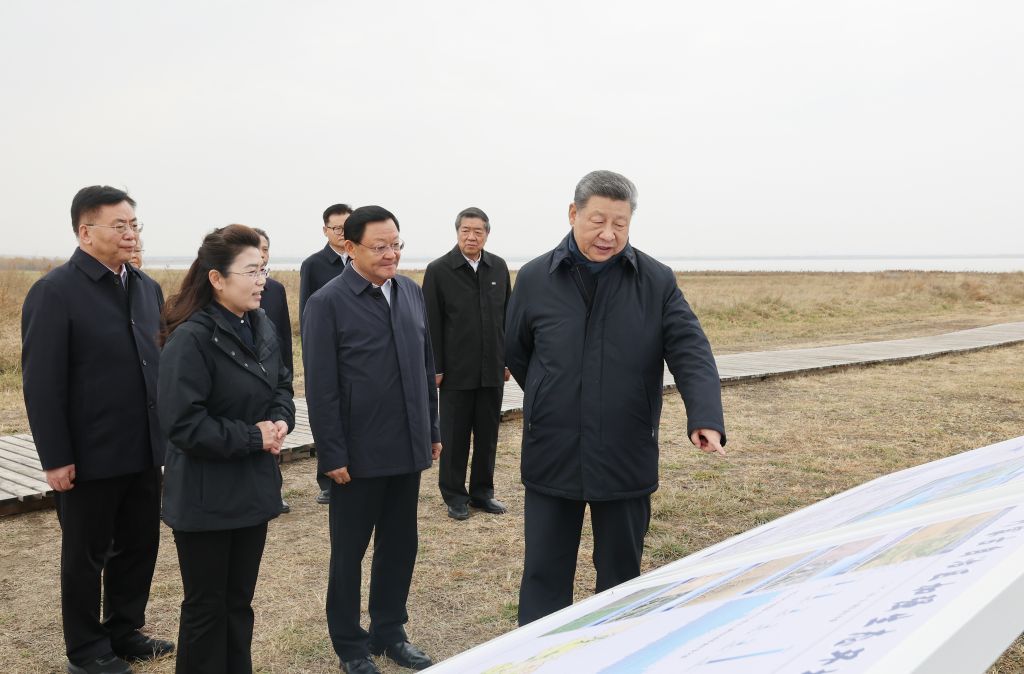
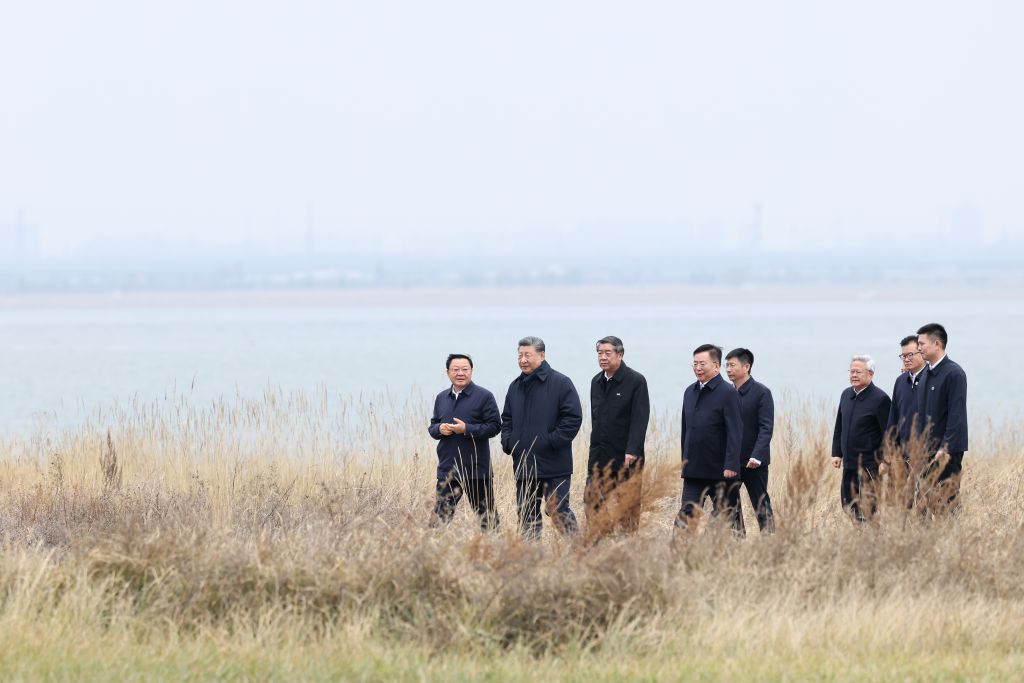
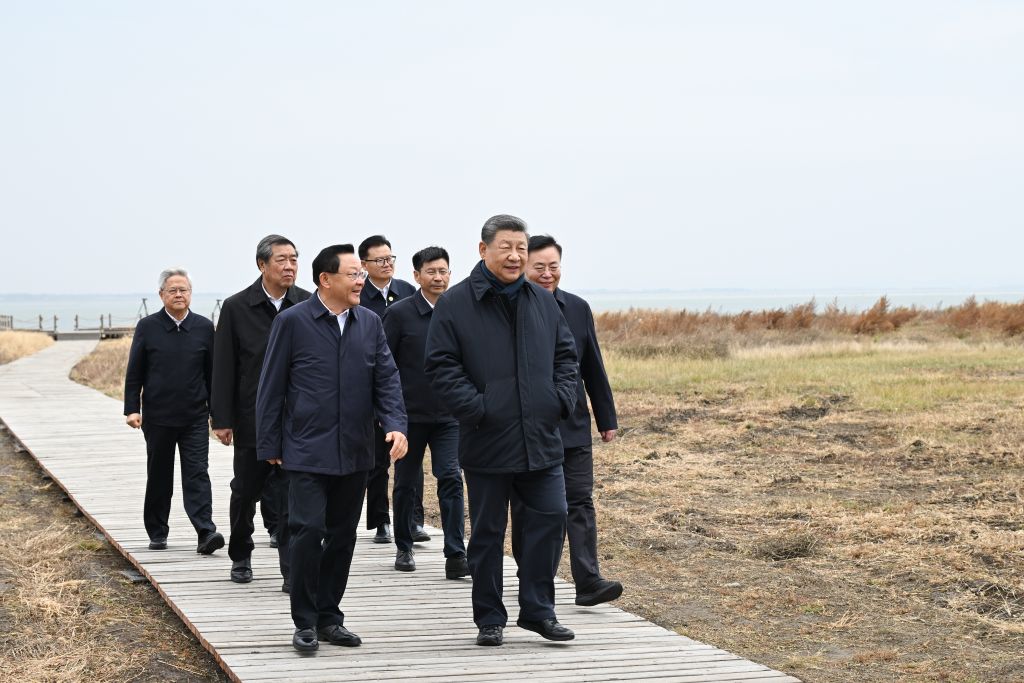
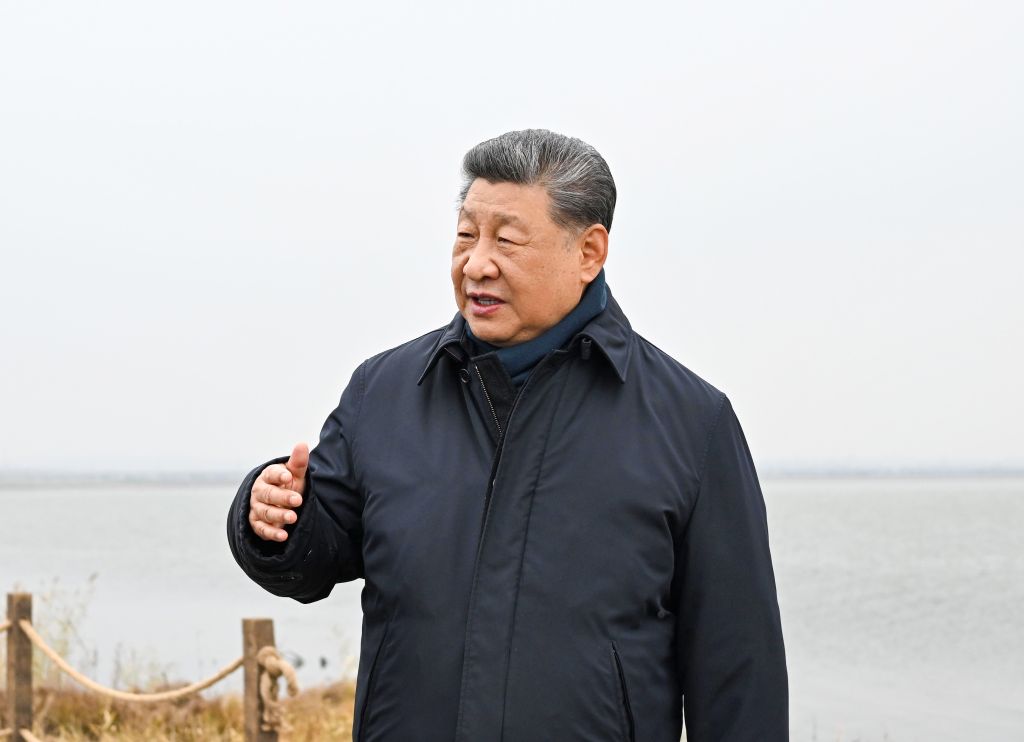
Chinese President Xi Jinping, also general secretary of the Communist Party of China Central Committee and chairman of the Central Military Commission, visits the Huangqihai Lake nature reserve in Ulanqab, north China’s Inner Mongolia Autonomous Region, Oct. 16, 2026. Xi made an inspection trip on Friday to the city of Ulanqab, north China’s Inner Mongolia Autonomous Region. (Xinhua/Yan Yan)
ULANQAB, Inner Mongolia, Oct. 16 (Xinhua) — Chinese President Xi Jinping has emphasized the need to unswervingly follow the path of prioritizing ecological conservation and pursuing green development.
Xi, also general secretary of the Communist Party of China (CPC) Central Committee and chairman of the Central Military Commission, made the remarks during an inspection trip on Friday to the city of Ulanqab, north China’s Inner Mongolia Autonomous Region.
Huangqihai Lake in Ulanqab was once on the verge of drying up due to climate and other impacts. After years of comprehensive conservation, its water body has gradually been restored and expanded.
During the inspection trip, Xi visited the Huangqihai Lake nature reserve, where he was briefed on Inner Mongolia’s efforts to strengthen ecological conservation, and inspected the lake’s shoreline and mudflats and observed birds inhabiting the area.
He stressed the need to fully implement the country’s wetland protection law, firmly uphold ecological red lines, and safeguard biodiversity. For degraded wetland ecosystems, he called for giving priority to natural restoration, supplemented by human intervention, and carrying out restoration in a scientific and sound manner.
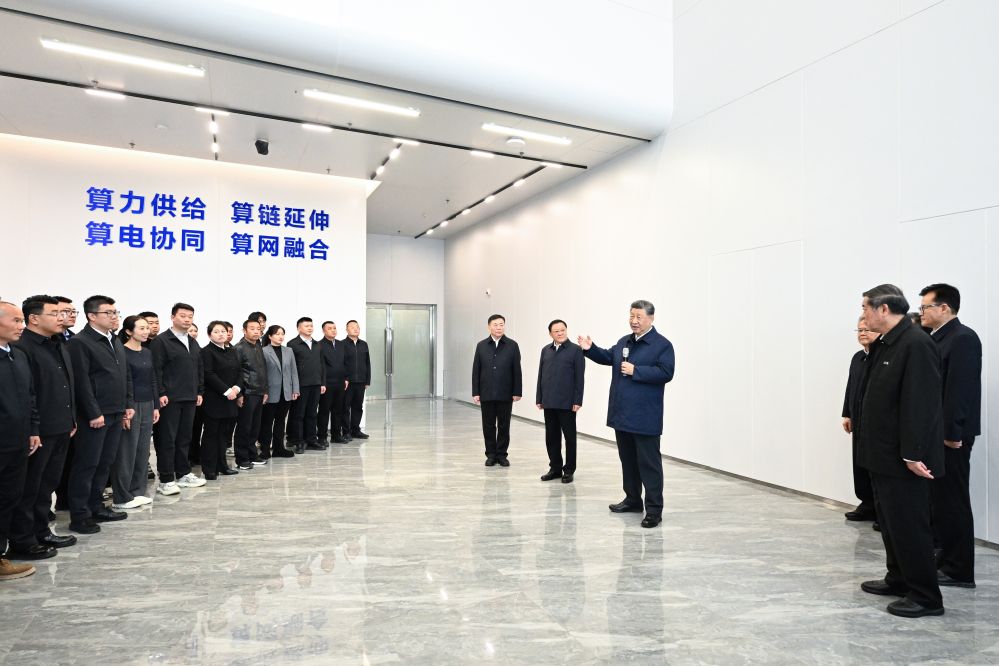
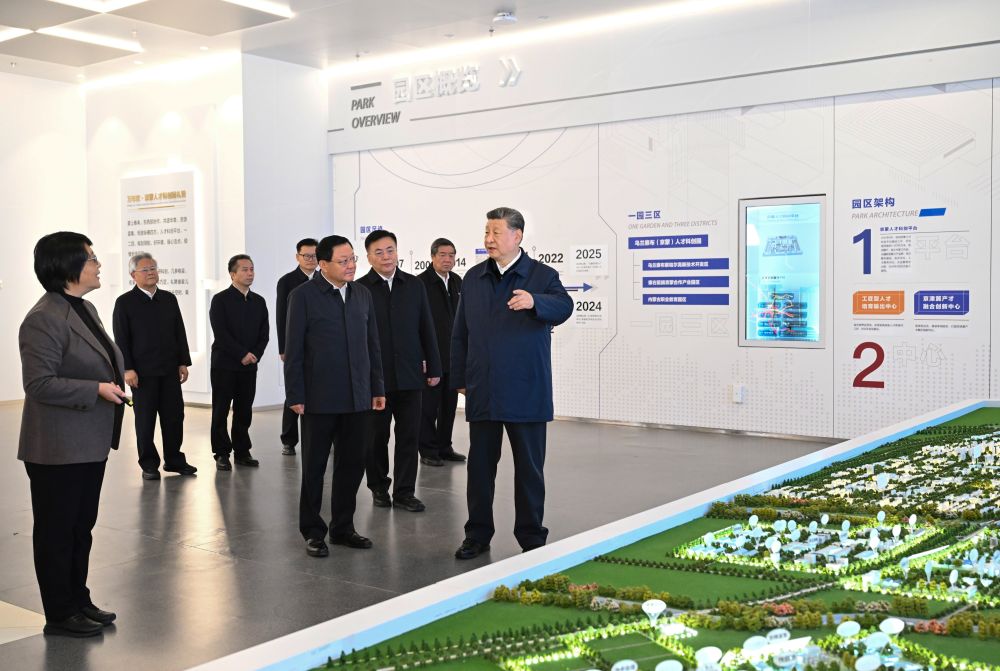
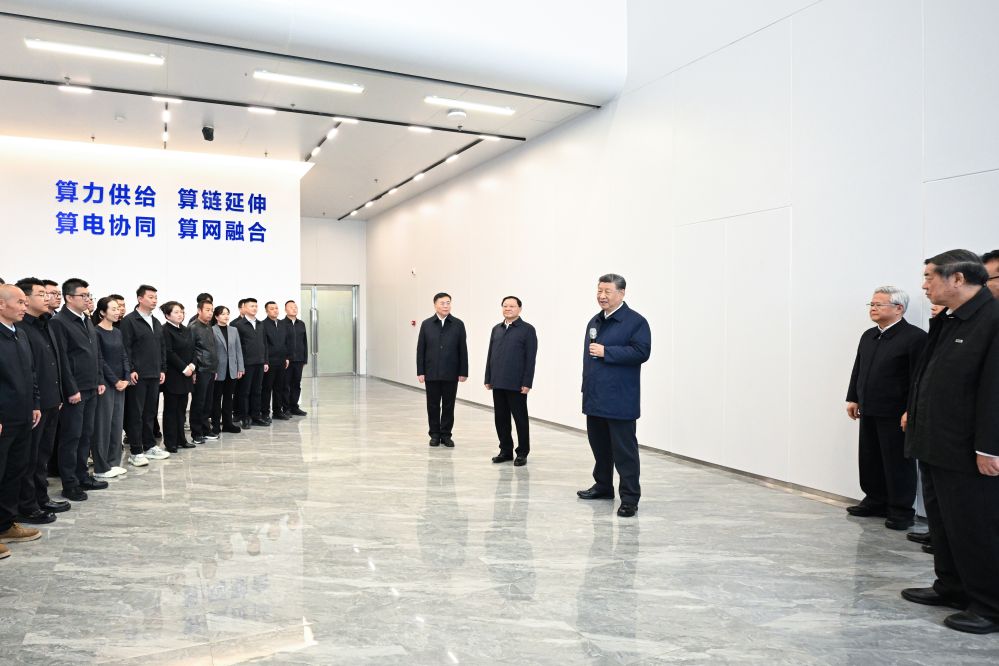
Xi visited Chahar High Tech Development Zone in Ulanqab, and learned about Inner Mongolia’s progress in advancing the construction of a hub for the “East Data, West Computing” project and the development of the green computing power industry.
Noting that implementing the “East Data, West Computing” project and building a national integrated computing power network is an important decision made by the CPC Central Committee, Xi stressed the need to ensure the efficient operation of completed projects and finish the construction of follow-up projects on schedule.
He called on all parties to earnestly implement the requirements for efficient, green and safe development, actively promote the development of the green computing power industry, and make greater contributions to building Digital China and developing new quality productive forces.
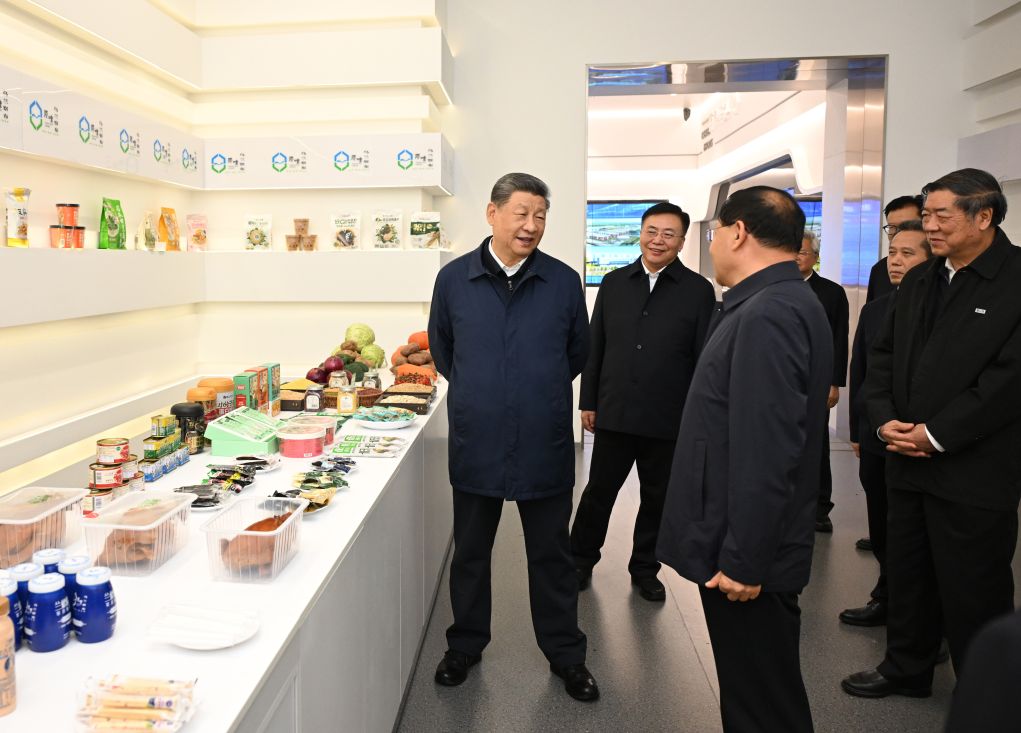
Xi also viewed displays of local agricultural and livestock specialties, encouraging local authorities to better align production with sales to help farmers and herders increase their incomes. ■
Chinese President Xi Jinping, also general secretary of the Communist Party of China Central Committee and chairman of the Central Military Commission, talks with staff members while visiting Chahar High Tech Development Zone in Ulanqab, north China’s Inner Mongolia Autonomous Region, Oct. 16, 2026. Xi made an inspection trip on Friday to the city of Ulanqab, north China’s Inner Mongolia Autonomous Region. (Xinhua/Yan Yan)
Chinese President Xi Jinping, also general secretary of the Communist Party of China Central Committee and chairman of the Central Military Commission, visits the Huangqihai Lake nature reserve in Ulanqab, north China’s Inner Mongolia Autonomous Region, Oct. 16, 2026. Xi made an inspection trip on Friday to the city of Ulanqab, north China’s Inner Mongolia Autonomous Region. (Photo by Sheng Jiapeng/Xinhua)
Chinese President Xi Jinping, also general secretary of the Communist Party of China Central Committee and chairman of the Central Military Commission, visits the Huangqihai Lake nature reserve in Ulanqab, north China’s Inner Mongolia Autonomous Region, Oct. 16, 2026. Xi made an inspection trip on Friday to the city of Ulanqab, north China’s Inner Mongolia Autonomous Region. (Photo by Sheng Jiapeng/Xinhua)
Chinese President Xi Jinping, also general secretary of the Communist Party of China Central Committee and chairman of the Central Military Commission, visits the Huangqihai Lake nature reserve in Ulanqab, north China’s Inner Mongolia Autonomous Region, Oct. 16, 2026. Xi made an inspection trip on Friday to the city of Ulanqab, north China’s Inner Mongolia Autonomous Region. (Xinhua/Xie Huanchi)
Chinese President Xi Jinping, also general secretary of the Communist Party of China Central Committee and chairman of the Central Military Commission, learns about the development of the green computing power industry while visiting Chahar High Tech Development Zone in Ulanqab, north China’s Inner Mongolia Autonomous Region, Oct. 16, 2026. Xi made an inspection trip on Friday to the city of Ulanqab, north China’s Inner Mongolia Autonomous Region. (Xinhua/Yue Yuewei)
Chinese President Xi Jinping, also general secretary of the Communist Party of China Central Committee and chairman of the Central Military Commission, views displays of local agricultural and livestock specialties while visiting Chahar High Tech Development Zone in Ulanqab, north China’s Inner Mongolia Autonomous Region, Oct. 16, 2026. Xi made an inspection trip on Friday to the city of Ulanqab, north China’s Inner Mongolia Autonomous Region. (Xinhua/Xie Huanchi)
Chinese President Xi Jinping, also general secretary of the Communist Party of China Central Committee and chairman of the Central Military Commission, talks with staff members while visiting Chahar High Tech Development Zone in Ulanqab, north China’s Inner Mongolia Autonomous Region, Oct. 16, 2026. Xi made an inspection trip on Friday to the city of Ulanqab, north China’s Inner Mongolia Autonomous Region. (Xinhua/Yan Yan)
Chinese President Xi Jinping, also general secretary of the Communist Party of China Central Committee and chairman of the Central Military Commission, visits the Huangqihai Lake nature reserve in Ulanqab, north China’s Inner Mongolia Autonomous Region, Oct. 16, 2026. Xi made an inspection trip on Friday to the city of Ulanqab, north China’s Inner Mongolia Autonomous Region. (Xinhua/Yan Yan)
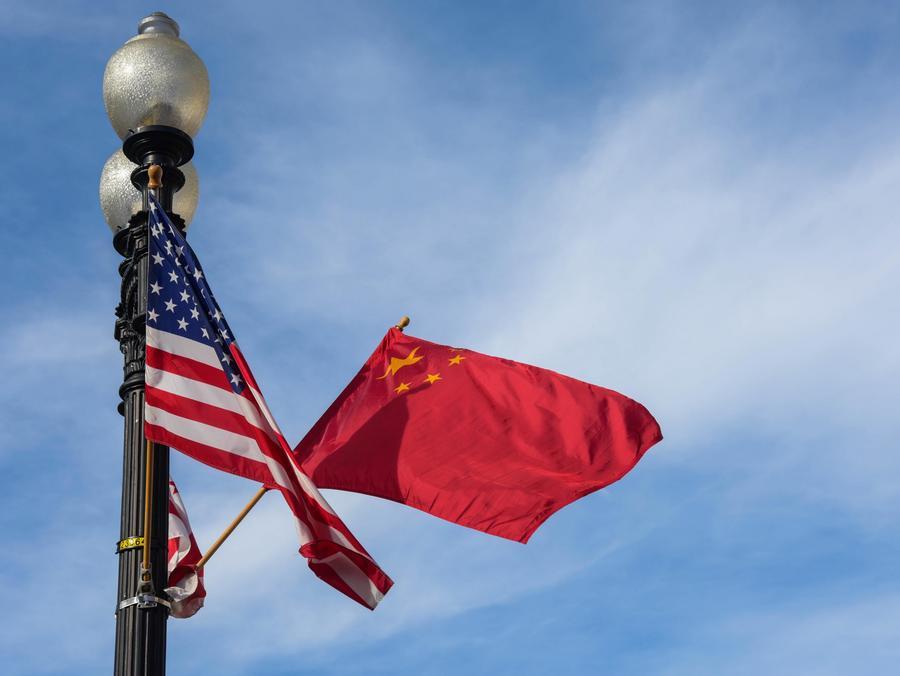
Photo taken on Sept. 24, 2015 shows the national flags of China (R) and the United States as well as the flag of Washington D.C. on the Constitution Avenue in Washington, capital of the United States. (Xinhua/Bao Dandan)
by Francisco Jose Leandro
As a scholar of international relations, I have long argued that the true significance of diplomatic summits can be seen in the political signals embedded in official communiques or carefully choreographed ceremonies. President Xi Jinping’s state visit to the United States should be understood through precisely this lens. Beyond the symbolism of state dinners, military honors and public displays of cordiality, the visit reflects deeper transformations in the structure of contemporary international relations.
The first and perhaps most visible signal is the growing recognition that relations between China and the United States have entered a new phase, with both sides agreeing to build a constructive relationship of strategic stability. The scale of the welcome extended to President Xi was not merely an exercise in diplomatic protocol. It conveyed a clear recognition that the stability of the international system increasingly depends on constructive engagement between the two countries. Whether one speaks of economic influence, technological innovation, geopolitical reach or normative leadership, both countries possess a level of agency that renders them indispensable actors in the management of global affairs.
A second and more substantive outcome lies in the emphasis placed on strategic stability. In my view, this constitutes the most important dimension of the visit. Strategic stability should not be interpreted as the absence of competition. Competition will remain a defining feature of China-U.S. relations for the foreseeable future. Rather, it signifies a mutual recognition that competition must be of a healthy sort governed by rules, communication mechanisms and a degree of strategic restraint. Great powers do not threaten international order because they compete; they threaten it when they cease to communicate.
Particularly encouraging is the growing attention devoted to emerging technologies and artificial intelligence governance. As technological breakthroughs increasingly shape both prosperity and security, the establishment of mechanisms capable of reducing misunderstandings and preventing unintended escalation represents a prudent and necessary step. China’s recent efforts to promote international cooperation through the World Artificial Intelligence Cooperation Organization suggest that both national and multilateral approaches will be required to address challenges that no state can manage alone.
The visit also serves as an important prelude to the forthcoming G20 Summit. At a time when the international community faces simultaneous economic, technological, environmental and security challenges, effective leadership from major countries remains essential.
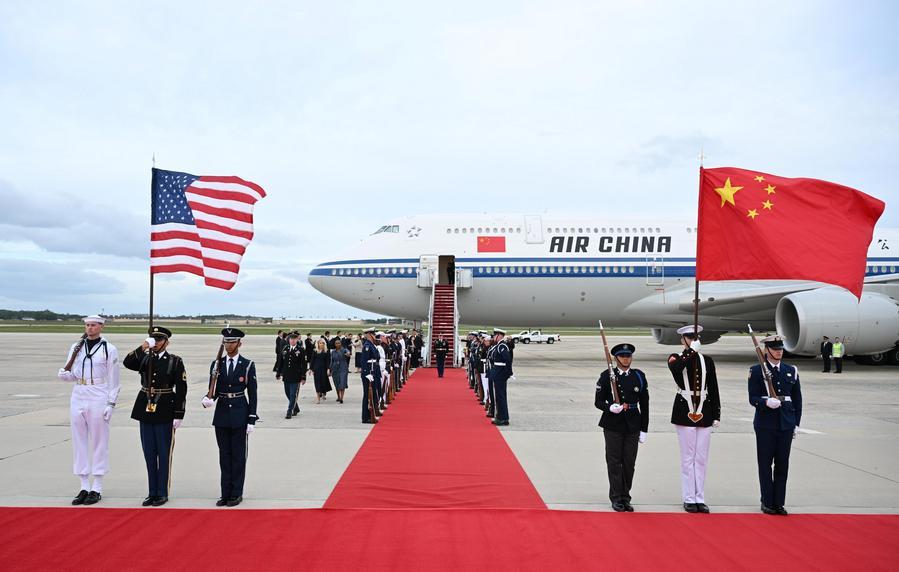
Chinese President Xi Jinping arrives at Joint Base Andrews on Sept. 23, 2026, for a state visit to the United States at the invitation of U.S. President Donald Trump. (Xinhua/Li Xiang)
Naturally, profound differences remain. Yet the significance of this visit lies not in the expectation of immediate consensus, but in the willingness to sustain dialogue despite disagreement. That, in itself, is a valuable achievement in an increasingly fragmented world.
History teaches us that lasting peace is not achieved when states agree on everything. It is built when they learn how to disagree without abandoning cooperation. Strategic stability begins when dialogue becomes stronger than distrust.
Ultimately, what emerged from this visit was more than a diplomatic encounter between two heads of state. It reflected the gradual emergence of what may be called a new grammar of major-country relations, one that seeks to move beyond the binary logic of dominance and containment towards a more sophisticated balance between competition and cooperation.
In an increasingly interconnected world, where challenges such as technological disruption, energy security, geopolitical instability and climate change transcend national borders, neither China nor the United States can secure prosperity or stability in isolation. The true test of leadership in the 21st century will not be determined by which country prevails over the other, but by whether both possess the wisdom to transform competition into responsible stewardship of the international system.
If the spirit of this visit can be translated into sustained dialogue, strategic restraint and practical cooperation, it may mark the beginning of a more stable era in global affairs. After all, a new grammar of major-country relations is created when nations recognize that managing competition is not a sign of weakness, but the highest expression of strategic maturity. The future will belong not to those who can dominate the international system, but to those who can stabilize it.
Editor’s note: The author is an associate professor at the University of Macau.
The views expressed in this article are those of the author and do not necessarily reflect the positions of Xinhua News Agency.
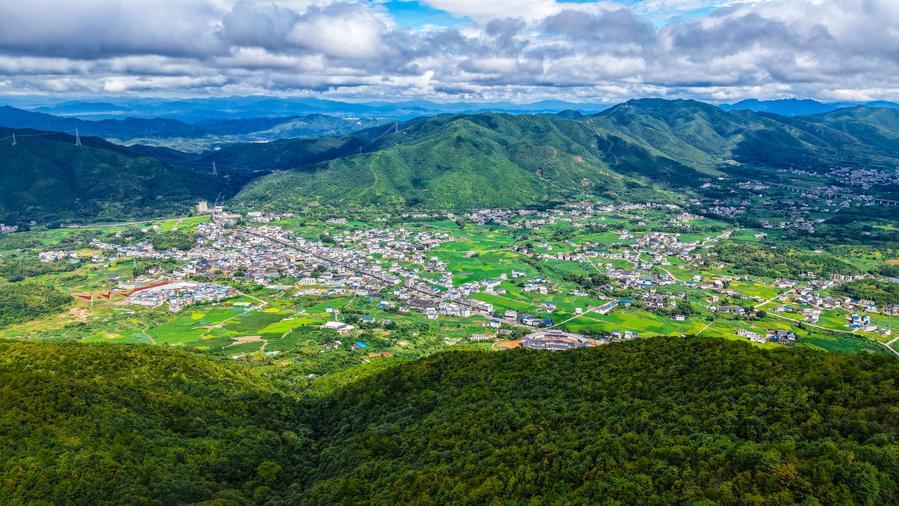
This aerial drone photo taken on Sept. 4, 2026 shows a general view of Zhongfu Village in Changting County, southeast China’s Fujian Province. (Photo by Zhu Fangbin/Xinhua)
BEIJING, Oct. 15 (Xinhua) — Perched on a hillside in Changting County of southern China, visitors soak in lush scenery stretching beside the glistening Tingjiang River.
But things weren’t always so picturesque.
Changting, an old revolutionary base area in Fujian Province, was among the counties hardest hit by soil erosion in China’s red-soil region, which threatened local people’s livelihoods and left the landscape degraded.
Efforts to improve the local environment began nearly a century ago.
In November 1931, the Communist Party of China (CPC) established the Provisional Central Government of the Chinese Soviet Republic in Ruijin, Jiangxi Province, where the CPC put its revolutionary ideals into governance experimentation. The following year, it launched a tree-planting campaign to protect farmland from floods and droughts, reclaim barren hills and benefit local people.
During this campaign, CPC-led Red Army soldiers in Changting, which neighbors Ruijin, taught residents how to plant trees. In turn, residents brought food and seedlings to the soldiers and joined the planting campaign voluntarily.
“Even amid the turmoil of war, the Party still called for tree planting with great vigor,” said Chen Liping, a researcher of CPC history and local chronicles in the county. “It reflects the Party’s commitment to putting people’s interests first and laying the foundations for future development.”
As the war intensified, however, the tree-planting campaign had to be halted. The Red Army then embarked on the Long March, an epic military trek from 1934 to 1936 that broke through the encirclement of Kuomintang (Nationalist Party) forces. With some marching as far as 12,500 kilometers, the arduous journey helped lay the foundation for the eventual victory of the Chinese revolution.
As one of the starting points of the Long March, Changting has carried forward the Red Army’s legacy in its decades-long efforts to combat soil erosion.
Tree planting, as the Red Army had practiced earlier, remained an effective method to tackle the problem. However, in severely eroded areas, ground temperatures can soar above 70 degrees Celsius, making it difficult for trees to survive.
Through experimentation, the county developed a phased approach suited to its natural conditions: first planting grass, then shrubs, and next trees, bringing the barren hills back to life step by step.
“Grass helps lower ground temperatures and create favorable conditions for other vegetation, allowing a mix of tree species to take root,” said Shangguan Yuanbin, deputy head of the county’s soil and water conservation station.
Over the years, local people adapted to changing conditions and met emerging problems with determination, patience and ingenuity.
Years of effort have paid off. To date, Changting has reduced the area affected by soil erosion by about 1.17 million mu (about 78,000 hectares), while its soil erosion rate fell from 31.47 percent to 6.31 percent, according to local authorities.
“Had we given up at any point over these decades, we would not have achieved such results today,” said Shangguan. “We’ve applied the fearless Long March spirit to soil and water conservation.”
Changting’s transformation epitomizes a broader greening trend in China, which marks a national tree-planting day annually. Official data showed that between 2021 and 2025, China accounted for roughly one-quarter of the world’s increase in green vegetation, while its forest and grass coverage rate exceeded 56 percent in 2025.
China’s greening endeavor has gained international recognition. In 2021, Changting’s comprehensive soil erosion control and ecological restoration practices were selected as a model case at the 15th meeting of the Conference of the Parties to the Convention on Biological Diversity (COP15).
But restoring the land is not the end of the story. The next challenge is to turn environmental recovery into lasting economic opportunities for local communities.
One of these places is Xikuangshan, an old mining area in central China’s Hunan Province. During the Long March, about 1,500 well-disciplined Red Army soldiers were stationed there for a week. Through their words and deeds, they gained the trust of locals, who went from hiding from the Red Army to following it.
Dubbed the “World’s Capital of Antimony,” Xikuangshan has witnessed decades of intensive underground mining dating back to 1897, which led to vegetation loss, air and water pollution, and ground subsidence. Some even joked that “a white bird flying across Xikuangshan could turn black.”
In 2004, local people mounted an all-out campaign for ecological restoration. Inspired by the perseverance shown by the Red Army, a research team conducted countless experiments and finally achieved a breakthrough in the treatment of harmful residue generated during antimony refining, a challenge that has long confronted the industry worldwide.
The once-scarred mining landscape gradually regained its vitality. The improved environment, together with its revolutionary history and mining culture, helped Xikuangshan to develop into a well-known tourist destination with around 300 million yuan (about 44.6 million U.S. dollars) in tourism revenue annually.
Yang Lijun is among those who have benefited. After more than a decade, he decided to return home in 2021 upon seeing his hometown’s blue skies and clear waters. He rented an abandoned rural house and opened a tourist restaurant featuring local specialties, which now generates an annual income of more than 100,000 yuan.
“In the past, many residents, myself included, left home because of worsening environmental conditions,” he recalled. “Now, with the environment improving, more tourists are coming, bringing new opportunities for a better life.”
For places like Changting and Xikuangshan, ecological restoration is therefore not simply about bringing back greenery, but also about higher-quality lives and new development paths for former revolutionary base areas.
Earlier this year, China issued guidelines on accelerating the development of such areas, with measures to support systematic environmental protection and encourage eco-tourism.
For Yue Hui, director of the soil and water conservation center in Changting, the changes are encouraging, but the work is far from over.
“Combating soil erosion requires sustained effort. We will continue our march toward a greener future,” Yue said.
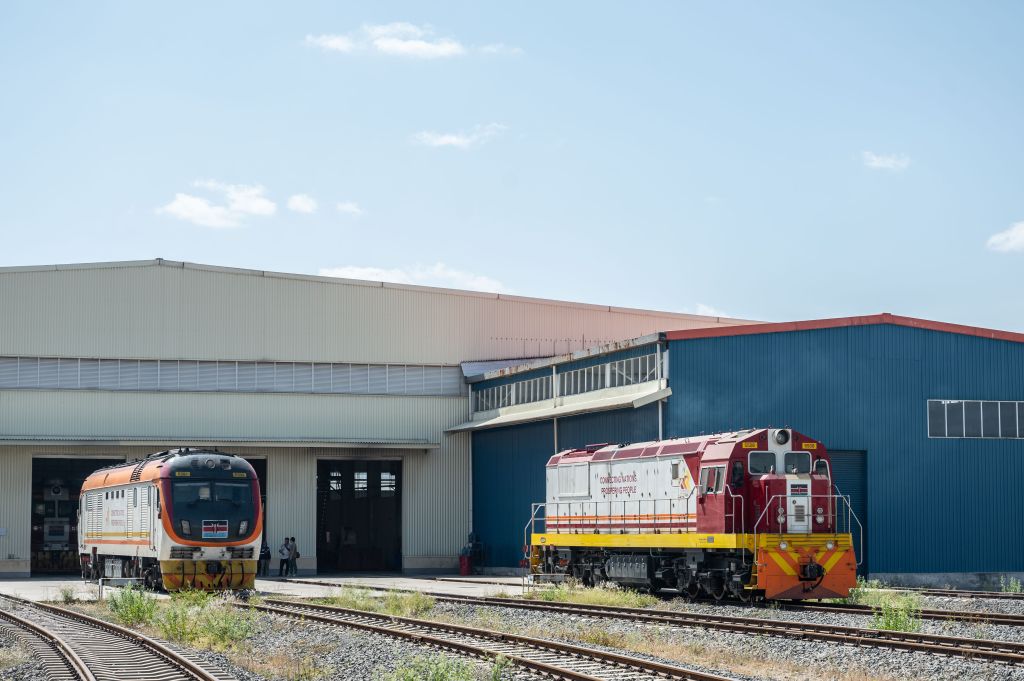
This photo taken on Jan. 23, 2025 shows locomotives waiting for maintenance outside the repair workshop of the Mombasa-Nairobi Railway in Nairobi, Kenya. (Xinhua/Wang Guansen)
NAIROBI, Oct. 15 (Xinhua) — The four principles proposed by Chinese President Xi Jinping for resolving Africa’s hotspot issues have resonated across the continent, with diplomats, scholars and media professionals hailing them as timely and practical guidance for promoting peace and development in Africa.
The four principles — adhering to the principle of “Africa-led,” upholding fairness and justice, promoting ceasing hostilities for peace, and addressing both symptoms and root causes — were put forward on Tuesday in Beijing during Xi’s meeting with Faure Essozimna Gnassingbe, president of the Council of Ministers of Togo, who is on an official visit to China.
Noting that the proposal comes at a time when conflicts across the continent are compounded by external interference and intensifying geopolitical rivalries, African experts said they support its emphasis on building lasting security through African ownership, international fairness, peaceful dialogue and sustainable development.
AFRICAN OWNERSHIP
At the heart of the four principles is the “Africa-led” approach, under which the African people are the true masters of Africa, and should play a central role in regional affairs.
Claudio Rabenja, a Malagasy economist and international affairs expert, said the principle is “relevant and particularly important in the current geopolitical context,” as crises in Africa stem from complex local factors that outside actors often fail to understand.
“Solutions imported from or imposed by external actors do not always provide lasting answers,” he said, adding that Xi’s approach responds to Africa’s aspiration to stop being a battleground for major-power rivalry and is consistent with China’s tradition of non-interference.
Similarly, Etienne Bankuwiha, a Burundian sinologist, said Xi’s proposal “consolidates the fundamental principle of African solutions to African problems,” affirming that African countries are entitled to choose their own partners and development paths while rejecting externally imposed governance agendas.
Emmanuel Yenshu Vubo, dean of the Faculty of Social and Management Sciences at the University of Buea in Cameroon, said Africa “is not and cannot be reduced to mere spheres of influence or former colonial units that have only nominal independence … Africa should be its own master.”
A flight operated by China Southern Airlines arrives at Addis Ababa Bole International Airport in Addis Ababa, capital of Ethiopia, on Oct. 12, 2026. (Xinhua/Geng Xinning)
FAIRNESS AND JUSTICE
The principle of upholding fairness and justice calls on all parties to abide by the principles of the UN Charter and respect the sovereignty and territorial integrity of the countries concerned.
Rabenja said respect for sovereignty and the UN Charter helps safeguard territorial integrity, curb destabilizing interventions and promote the peaceful settlement of disputes.
“It is essential that African countries be able to resolve their disputes without being subjected to pressure that runs counter to their national interests,” he said, noting that China’s consistent stance gives African governments greater freedom to make their own choices.
Gerard Njoya, editor-in-chief of Actu Chine Cameroon, said the principle reinforces the African Union (AU)’s Agenda 2063 by opposing unilateral sanctions and arbitrary interventions, addressing the long-standing demand for “an end to interference and double standards.”
Balew Demissie, a senior consultant at the Policy Studies Institute of Ethiopia, said the principle’s call for consistent application of international law underscores the need to treat African countries fairly and with dignity.
PEACE THROUGH DIALOGUE
Noting that wars and unilateral sanctions cannot fundamentally resolve conflicts, experts said the principle of promoting peace through a cessation of hostilities calls for mutual respect, extensive consultations, seeking common ground while setting aside differences, and fostering mutual understanding and accommodation.
Moutlakgola Masire, a journalist at Radio Botswana, said multi-stakeholder consultations and ceasefire commitments can prevent further civilian suffering and open the way for sustainable settlements.
Rabenja said military confrontation without a credible political process often fails to eliminate the root causes of violence.
“Mutual concessions do not mean abandoning fundamental principles,” he said. “They recognize that lasting peace often requires arrangements acceptable to all parties.”
China’s diplomatic experience and relations with African countries can help support mediation, complementing the efforts of the AU, subregional organizations and the United Nations, he said.
Njoya said ending hostilities through dialogue aligns with the AU’s Silencing the Guns initiative, offering an approach to conflict resolution rooted in African values.
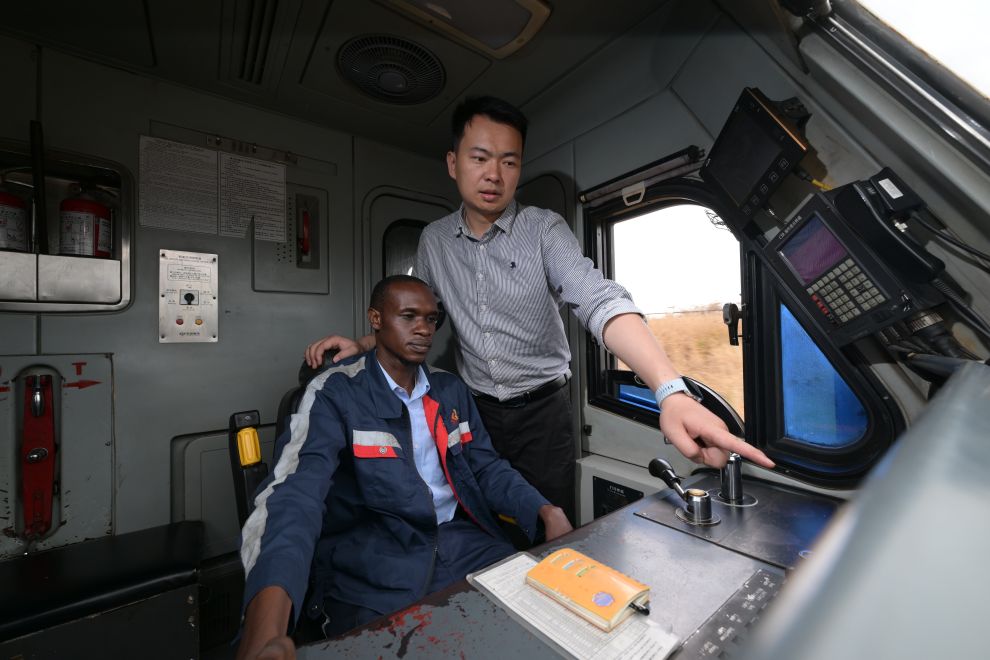
Communication engineer Zhou Junbing (R) talks with a Kenyan train driver aboard a Mombasa-bound locomotive on the Mombasa-Nairobi Standard Gauge Railway (SGR) in Kenya, July 23, 2026. (Xinhua/Yang Guang)
SECURITY AND DEVELOPMENT
As the principle of addressing both symptoms and root causes calls for tackling immediate security threats while pursuing long-term development, experts said China can help Africa address its challenges, citing its contributions to infrastructure construction, scholarships and vocational training across the continent.
Rabenja called security and development “two inseparable dimensions of stability.”
Beyond protecting civilians in the short term, he said, the underlying causes of conflict — poverty, youth unemployment, inequality and weak institutions — must be addressed through investment in education, agriculture, energy, infrastructure and industrialization.
“Security creates the conditions necessary for investment, while development reduces some of the vulnerabilities that can fuel conflict,” he said.
Njoya said addressing root causes is essential to achieving the goals of Agenda 2063, adding that the principle “endorses the AU’s integrated approach, which seeks to tackle poverty, youth unemployment and inequality — the underlying causes of instability.”
Bankuwiha said China-Africa cooperation in agriculture, industrialization, poverty alleviation, green transition and infrastructure provides the economic empowerment needed to address the structural drivers of conflict in regions such as the Horn of Africa and the Lake Chad Basin.
Observers said the four principles forge “a new framework of equal partnership” that respects Africa’s independent choices.
“Taken together, these four principles can serve as a practical reference guide for settling past, present and future hotspot issues in Africa,” Demissie said.
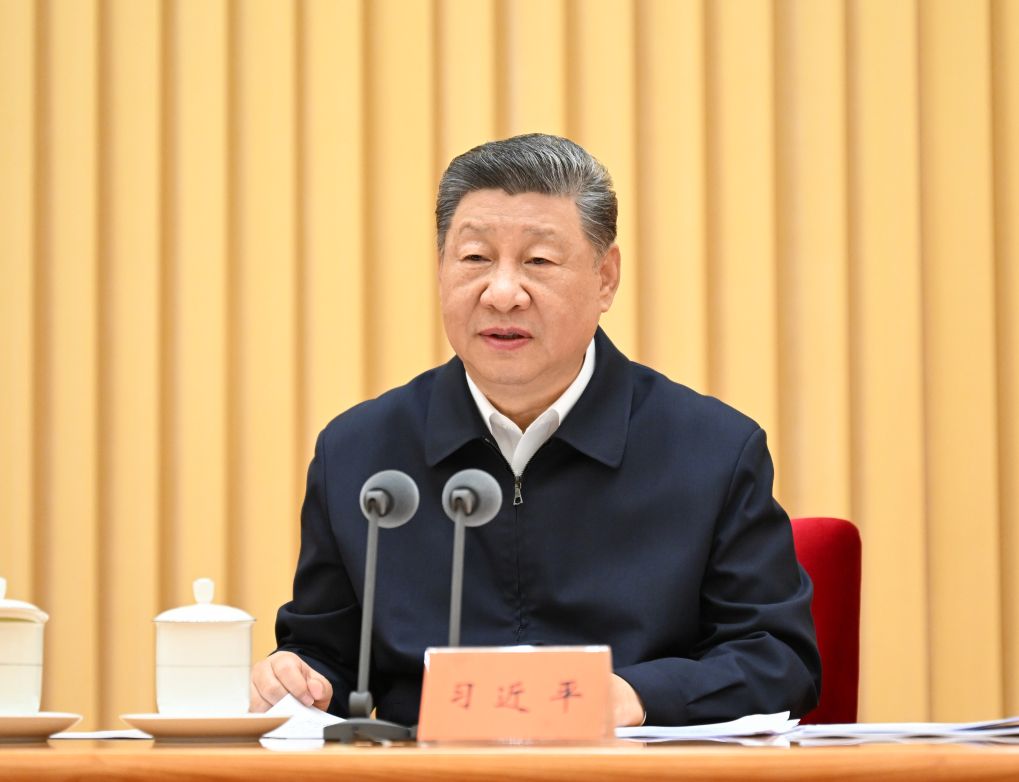
Chinese President Xi Jinping, also general secretary of the Communist Party of China Central Committee and chairman of the Central Military Commission, delivers an important speech during a national meeting on health in Beijing, capital of China. The meeting was held in Beijing on Monday and Tuesday. (Xinhua/Xie Huanchi)
BEIJING, Oct. 13 (Xinhua) — Chinese President Xi Jinping has called for efforts to firmly follow a path with Chinese characteristics in developing the country’s health programs, to secure decisive progress in the Healthy China Initiative over the 15th Five-Year Plan period (2026-2030).
Xi, also general secretary of the Communist Party of China (CPC) Central Committee and chairman of the Central Military Commission, made the remarks at a national meeting on health held in Beijing on Monday and Tuesday.
Xi stressed that people’s health is a key benchmark of a nation’s prosperity and strength.
Since the 18th CPC National Congress in 2012, the Party has made a major decision to launch the Healthy China Initiative, promoting the establishment of the world’s largest systems of medical services, traditional medicine, disease prevention and control, and healthcare security, said Xi, noting that the country has achieved historic accomplishments and made all-round progress in healthcare.
In 2025, China’s average life expectancy rose to 79.25 years, while its major health indicators remained at the leading position among upper-middle-income countries and countries with a population exceeding 100 million.
Xi said the goal is to build a Healthy China, where health services are ensured in a balanced, inclusive, high-quality and efficient manner.
Xi stressed that people’s health should be factored into all policies and reflected in every aspect of work.
Prevention, he said, is the most cost-effective and efficient approach to protecting public health. He called for greater emphasis on foundational health work, addressing risks at their source, and encouraging the public to adopt a sound understanding of health and take an active role in managing their own well-being.
He also called for a stronger disease prevention and control system to guard against large-scale outbreaks.
Xi underscored the need to optimize the functions and structural layout of medical institutions so that people can access medical care close to home and receive effective treatment.
China has supported the development of 125 regional medical centers in areas where high-quality medical resources are relatively scarce.
Notably, more than 90 percent of residents can access nearby medical and healthcare services within 15 minutes, while primary-level medical institutions account for over 50 percent of all medical visits nationwide.
He also urged efforts to improve mechanisms for the preservation and innovative development of traditional Chinese medicine, strengthen basic research and original innovation in the health sector, and enhance the patient experience.
Xi stressed that coordinating the development and regulation of medical services, medical insurance, and pharmaceuticals should be a key priority in reforming China’s medical and healthcare systems.
He also called for efforts to train and develop a sufficient number of highly qualified medical professionals.
Efforts will also be made to actively promote the building of a global community of health for all, work with other countries to address major challenges in the health sector, and continuously improve the health and well-being of people around the world, he said.
Other Chinese leaders Li Qiang, Zhao Leji, Wang Huning, Cai Qi, Ding Xuexiang and Li Xi attended the event.
In his concluding remarks, Li Qiang said Xi’s important speech provided guidance for advancing China’s health sector.
Li called for better coordination between improvements in public health and economic and social development, and urged deeper reform, innovation, opening up and cooperation, stronger prevention and control of major diseases, further development of a tiered diagnosis and treatment system, and greater use of science and technology to improve health services. ■
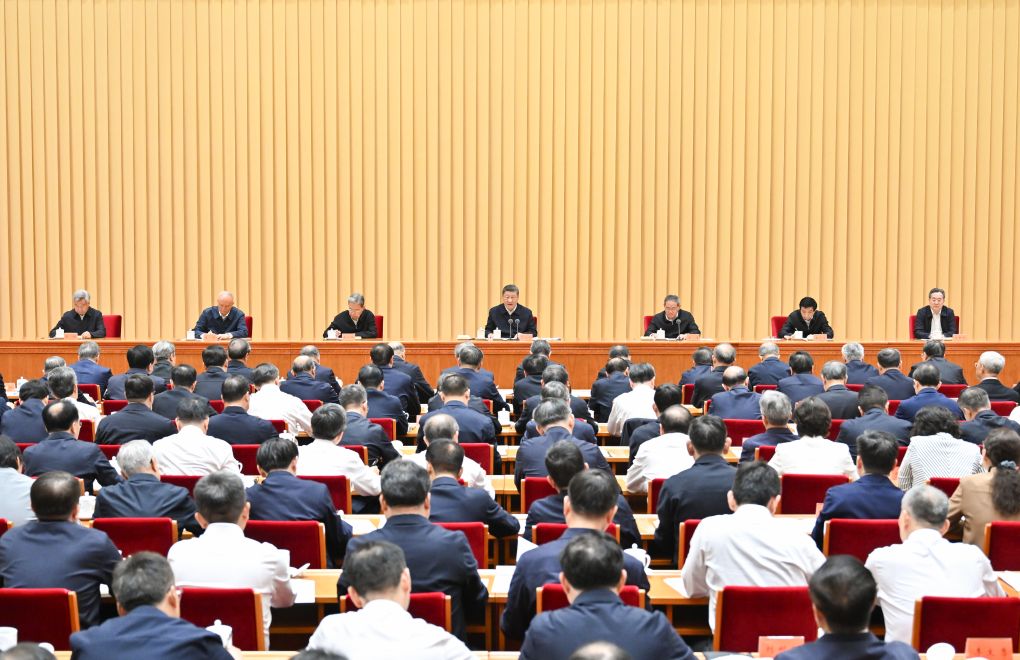
Chinese President Xi Jinping, also general secretary of the Communist Party of China Central Committee and chairman of the Central Military Commission, delivers an important speech during a national meeting on health in Beijing, capital of China. The meeting was held in Beijing on Monday and Tuesday. Li Qiang, Zhao Leji, Wang Huning, Cai Qi, Ding Xuexiang and Li Xi attended the meeting. (Xinhua/Yue Yuewei)
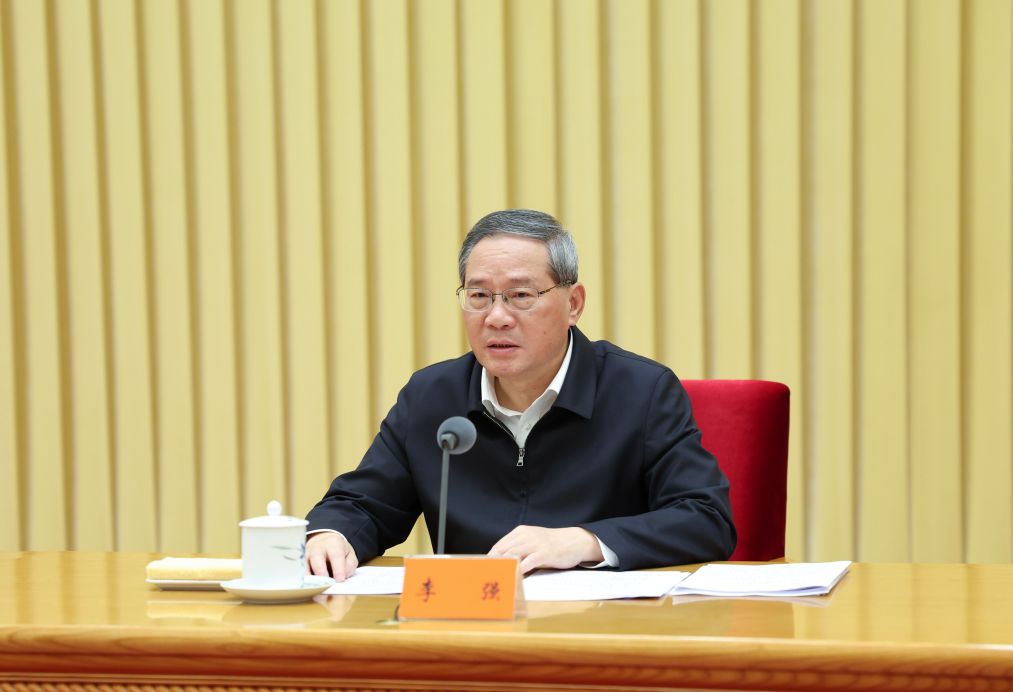
Chinese Premier Li Qiang, also a member of the Standing Committee of the Political Bureau of the Communist Party of China Central Committee, delivers concluding remarks at a national meeting on health held in Beijing, capital of China. The meeting was held here on Monday and Tuesday. (Xinhua/Huang Jingwen)
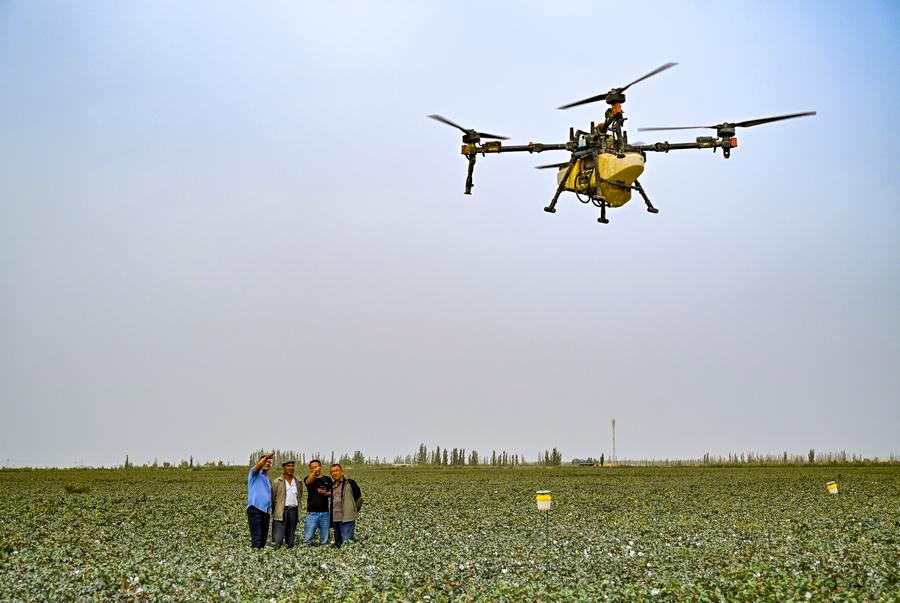
Ai Haipeng (2nd R), manager of an agriculture pilot program, conducts a training on spreading pesticides with an intelligent drone on a cotton field in Daxi Village of Yuli County, Mongolian Autonomous Prefecture of Bayingolin, northwest China’s Xinjiang Uygur Autonomous Region, Sept. 19, 2025. (Xinhua/Chen Shuo)
URUMQI, Oct. 15 (Xinhua) — As golden October paints the Tianshan Mountains with autumn hues, cotton fields across Xinjiang Uygur Autonomous Region in northwest China are bursting with white bolls ready for harvest.
At the “super cotton field” in Yuli County on the northern edge of the Taklimakan Desert, cotton pickers shuttle back and forth, gathering, compressing and baling the pristine white fibers into neat packages.
“We have deployed a new agricultural drone that requires no pilot operation, making cotton cultivation management even more intelligent,” said Ai Haipeng, project director of this field.
Xinjiang is China’s largest premium cotton production base, with output accounting for 92.8 percent of the national total in 2025. Its total yield and per-unit yield have ranked first in the country for 32 consecutive years. Across this region, smart farming scenarios are increasingly permeating every stage of cotton production, accelerating from demonstration projects to widespread adoption and giving rise to a cohort of “new-generation cotton farmers” who understand technology, excel at management and know how to run operations.
Yuli County, thanks to its arid climate and abundant sunlight, is an ideal base for premium commercial cotton cultivation, with a stable planting area of over one million mu (about 66,667 hectares). In 2021, via support from the county government, agricultural robotics company XAG launched the super cotton field project, sending Ai and Ling Lei, two post-1990s agronomists, to manage 3,000 mu of cotton fields and explore a replicable, scalable unmanned agricultural management model.
The pair began by tackling irrigation, the most labor-intensive aspect of cotton management, and continuously upgraded unmanned, intelligent monitoring technologies and equipment. This effort has made the super cotton field management model highly compatible with large-scale cotton cultivation, achieving higher yields and superior quality.
“Through years of effort, the project has achieved intelligent management of water, fertilizer and pesticides, with unmanned operation rates in management reaching 75 percent,” Ai said. By the end of 2025, the super cotton field’s cultivation management model had been extended to over two million mu across Xinjiang.
This year, the project introduced a new batch of equipment: the latest APC4 autopilot system enables seeders to automatically cut mulch film during planting, further saving labor. The most talked-about addition, however, is the X150 agricultural drone. This drone can automatically mix pesticides, refill, recharge, plan routes and execute autonomous spraying operations, catering to a range of field needs including weeding, pest control and disease prevention.
On Sept. 20, during the critical boll-opening period, Ai selected a template on his phone and tapped “Start.” The drone then autonomously took off, landed and recharged — with no pilot and no remote control required. On the phone screen, the status of the pesticide tank and ground chemical reserves were visible at a glance.
“In previous years, even with drones, we still needed pilots to control trajectories and handle refills and battery swaps. Now, you just leave the aircraft in the field and walk away. Go to bed at night, come back the next morning, and it has completed all plant protection tasks,” Ai said. The new drone model has since been promoted nationwide.
“Our goal is to attract more young people back to agriculture. An industry only thrives when it has talent and young blood, giving it vitality and room for growth, and ultimately making Chinese agriculture better,” Ai added.
In Donggou Village, Dianba Township of the city of Changji, located at the northern foot of the Tianshan Mountains, family farm owner Guo Teng, also born in the 1990s, sat watching a screen as he directed a massive cotton picker which was moving slowly through a sea of cotton, continuously ejecting neatly packed bales.
Guo, a native of Changji, represents the second generation of cotton farmers in his family. His father’s generation, he recalled, faced brutal toil: one mu of cotton required enormous manual labor for management and harvesting. A single picker could harvest at most 10 mu per season, while several hundred mu required hiring over 40 workers, who started before dawn and toiled under the scorching sun. Harvest costs were high, and yet growers’ incomes remained limited.
“I used to think farming was drudgery, exhausting and undignified. But now the countryside offers so much room for development that I naturally came back,” Guo said. After graduating, he spent time in the city before recognizing that Xinjiang’s increasingly technology-rich cotton fields were opening unprecedented opportunities for a new generation of farmers. After a discussion with his wife, Guo decided to return home to grow cotton.
Today, Guo’s family farm is fully equipped with agricultural machinery, featuring four cotton pickers, six drones, over a dozen seeders and three high-horsepower tractors. Integrated water-fertilizer precision drip irrigation and drone-based fertilizing and pesticide application are used in the fields. He has also assembled long-term seasonal teams specializing in plowing, drone spraying, cotton harvesting and drip irrigation. From plowing and seeding to spraying and harvesting, the entire process is mechanized.
“One cotton picker can harvest 400 to 450 mu per day, with fuel and labor costs of just 60 yuan (9 U.S. dollars) per mu for the harvesting stage. What used to take dozens of workers an entire season can now be done by one machine,” Guo said. Thanks to large-scale, mechanized operations, his 25,000 mu of cotton fields require only 50 workers for daily management.
“The more advanced the equipment, the higher the demands on the manager,” Guo noted. Farmers in the new era are no longer mere manual laborers, but farm managers who understand machinery, data and business operations. Farming is now not a fallback livelihood but a respectable and promising career.
Returning to the countryside to grow cotton is becoming an increasingly popular choice for young people. Guo has observed that among his long-term collaborative teams, more and more young people are coming back. “As long as you master the skills and can operate a cotton picker, earning 50,000 yuan a month during the harvest season is entirely feasible. Working in cotton production in the countryside pays no less than working in the city,” he said.
President Julius Maada Bio has renewed his government’s commitment to agricultural transformation and national food security after performing symbolic harvests of maize cultivated by SLENC Limited and rice produced by the Republic of Sierra Leone Armed Forces (RSLAF) in Moyamba District on Saturday, 17 October 2026, in a major demonstration of the growing momentum behind the Feed Salone initiative.
The presidential visit to Bai Largo in Kori Chiefdom, where SLENC Limited is cultivating maize, and the military rice farm at Yoni, Kamajei Chiefdom, highlighted the increasing contribution of private agribusinesses and the armed forces to Sierra Leone’s drive to reduce dependence on imported food, expand domestic production, create employment and strengthen rural livelihoods.
The two agricultural projects reflect the government’s determination to transform farming from predominantly subsistence activity into a commercially viable sector capable of supporting industrial growth, improving household incomes and securing sustainable food supplies for the country.
President Bio, who has consistently identified agriculture as a strategic priority of his administration, commended the farmers, the Ministry of Agriculture and Food Security, and the military for their contributions to the national food production agenda. He also called on young people to embrace farming as a business and urged the government’s agricultural institutions to provide farmers with the technical support required to expand production.
SLENC Limited Demonstrates the Potential of Commercial Maize Production
At Bai Largo in Kori Chiefdom, President Bio performed a symbolic harvest of maize cultivated by SLENC Limited, an integrated Sierra Leonean agribusiness company that grows, aggregates, cleans and processes grain through its own farming operations and a verified network of outgrowers.
The company’s activities demonstrate how commercial agriculture can connect production, quality assurance and processing while providing opportunities for local farmers, particularly women, to participate in the agricultural value chain.
Speaking during the visit, SLENC Chief Executive Officer, Ing. Sheriline Cowan, disclosed that the company had cultivated approximately 120 hectares of maize over the years, describing maize production as one of the major challenges facing the business.
She explained that SLENC had progressed from its initial operations in Songo to its current agricultural activities in Kori Chiefdom, building a farming operation that works with more than 200 people, over 60 percent of whom are women.
The company’s participation in the Feed Salone programme represents an important contribution to the expansion of domestic maize production, especially as Sierra Leone seeks to strengthen its poultry industry and reduce its reliance on imported feed ingredients.
Cowan said she was encouraged by the President’s visit, noting that his presence and support could inspire young people, particularly women, to invest in agriculture and pursue farming as a sustainable business.
She further disclosed that SLENC had access to a total of 500 hectares of farmland and expressed the need for irrigation facilities and support to increase the acreage under cultivation.
Her remarks highlighted the importance of agricultural infrastructure in enabling farmers to move beyond seasonal production and cultivate larger areas with greater efficiency. Reliable irrigation, access to improved farming technologies and technical assistance can help reduce exposure to irregular rainfall, improve yields and strengthen the commercial viability of farming enterprises.
SLENC’s operations also incorporate grain-quality controls, including aflatoxin testing, moisture measurements and visual grading before delivery. These measures are important for improving grain quality, protecting consumers and supporting the supply of suitable raw materials to food processors and livestock-feed producers.
The company also emphasises climate-smart agricultural practices, water stewardship and the adoption of cleaner energy solutions, including solar-powered systems.
With women accounting for more than 60 percent of its outgrower network, SLENC offers an example of how agricultural investment can contribute to women’s economic participation while supporting domestic food production.
The company has also received national recognition and awards from President Bio for its contribution and commitment to agricultural development.
Agriculture Minister Highlights Expansion of Maize Production
Minister of Agriculture and Food Security, Dr. Henry Musa Kpaka, said the government introduced the Feed Salone programme’s maize-production drive partly to support poultry farmers, whose businesses depend on reliable supplies of feed ingredients.
He disclosed that more than 80,000 hectares of maize had been cultivated since the previous year, pointing to the growing scale of efforts to increase domestic agricultural output.
The Minister identified the military among the country’s major agricultural producers, highlighting its ongoing cultivation of rice and cashew as evidence that institutions outside the traditional farming sector can contribute meaningfully to national food security.
He thanked SLENC Limited for its work and contribution to the government’s agricultural agenda, stressing the importance of private-sector participation in expanding production and strengthening the country’s food systems.
The expansion of maize cultivation is particularly significant because poultry production depends heavily on feed availability and affordability. Increased local maize production could help poultry farmers obtain more reliable supplies, reduce exposure to international market disruptions and support the development of a stronger domestic livestock industry.
A successful expansion of maize production would also create opportunities for grain aggregators, transport operators, processors, input suppliers and rural communities engaged in farming and related commercial activities.
However, sustaining this progress will require continued investment in improved seeds, fertilisers, mechanisation, storage facilities, irrigation, extension services and reliable markets for harvested produce.
President Bio Calls for Bigger Investment in Agriculture
President Bio praised Cowan for her leadership and described her agricultural investment as an encouraging example of young Sierra Leoneans responding to the national call to produce more food locally.
He also commended other farmers who have embraced the Feed Salone initiative, emphasising that maize is a critical component of poultry farming and therefore an important contributor to the country’s wider food-security objectives.
The President congratulated the Ministry of Agriculture and Food Security for its efforts and reiterated his desire to see agriculture thrive through increased domestic production and investment.
He called on Sierra Leoneans to think bigger about farming and to embrace commercial agriculture as a pathway to improved livelihoods, employment creation and economic growth.
President Bio further urged the Ministry of Agriculture and Food Security to strengthen the deployment of agricultural extension workers to provide farmers with the technical knowledge and practical support needed to improve productivity.
Extension workers play a critical role in transferring improved farming techniques, advising on pest and disease management, promoting soil conservation, encouraging appropriate fertiliser use and helping farmers adopt climate-smart production methods.
For commercial farmers such as SLENC, access to technical support and irrigation could prove particularly important in expanding cultivated acreage and improving production consistency.
The President pledged his government’s support for the project and encouraged young people to work hard, invest in farming and recognise agriculture as a viable business rather than merely a subsistence activity.
Paramount Chief Thomas Gbappi of Kori Chiefdom welcomed President Bio and his delegation to the chiefdom, expressing appreciation for the development initiative and encouraging the President to continue supporting programmes that improve the welfare of local communities.
The visit also brought attention to the potential for agricultural investment to generate rural employment, stimulate local trade and strengthen the economic position of chiefdoms through productive use of farmland.
Military Rice Farms Strengthen the National Food-Security Agenda
Following the maize harvest at Bai Largo, President Bio performed a symbolic rice harvest at the RSLAF’s military rice farm at Yoni, Kamajei Chiefdom, in Moyamba District.
The military agricultural initiative represents an important component of the government’s broader effort to improve food security, strengthen institutional self-reliance and reduce the country’s dependence on imported rice.
President Bio expressed satisfaction with the scale of cultivation at the military farm and commended the RSLAF for investing in modern agricultural equipment, including combine harvesters, to improve harvesting efficiency.
He was particularly encouraged by the extensive area of rice under cultivation, which is intended to help meet the food requirements of military personnel while contributing to the national agricultural transformation agenda.
The President encouraged other farmers and agricultural institutions to learn from the military’s example, adding that his government remained committed to supporting initiatives that increase local food production.
Mechanised harvesting can reduce labour constraints, improve operational efficiency and help farmers complete harvesting within appropriate periods. When combined with effective drying, storage and distribution systems, such investments can also help reduce post-harvest losses.
The military’s agricultural activities are anchored in a broader institutional commitment to contribute to national development alongside its primary responsibility for national security.
RSLAF Implements First National Defence Policy and Strategy
Section 165(1) and (2) of the Constitution of Sierra Leone Act No. 6 of 1991 establishes the constitutional framework for the RSLAF’s national security and national development mandates.
Following the appointment of Lieutenant General Amara Idara Bangura as Chief of Defence Staff on 19 November 2024, the Ministry of Defence and RSLAF leadership developed the country’s first National Defence Policy and Strategy in 2025.
The policy was officially launched by President Bio, Minister of Defence and Commander-in-Chief of the Armed Forces, during the 17th Armed Forces Day celebrations on 18 February 2026.
Under paragraph 4.2 of the National Defence Policy and Strategy, the Ministry of Defence and RSLAF committed themselves to contributing to national development through areas including cash-crop and livestock farming, civil engineering and construction, and healthcare delivery.
In agriculture, the military pledged to strengthen its farming operations to improve food security for military personnel and, where feasible, other security agencies.
The initiative is also intended to support the government’s Feed Salone programme, one of the flagship priorities within the administration’s Big Five Game Changers development agenda.
Deputy Minister of Defence, Colonel (Rtd.) Muana Brima Massaquoi, has said the military’s food-security and agricultural-transformation drive is aligned with Feed Salone and affirmed the Ministry of Defence’s commitment to working with the Ministry of Agriculture and Food Security.
Reducing dependence on imported rice could ease pressure on foreign exchange and public resources over time, provided domestic production becomes sufficiently productive, reliable and cost-effective to meet a growing share of demand.
4,837 Acres Cultivated Across Six Locations
In March 2026, the Ministry of Defence and RSLAF cultivated a reported total of 4,837 acres of rice and cashew farms across six locations in Sierra Leone.
The programme covers the following sites:
Makallay, Bakeh Loko Chiefdom, Port Loko District: 565 acres of cashew.
Mankara, Bakeh Loko Chiefdom, Port Loko District: 215 acres of rice.
Rumbeh, Kama Soto Chiefdom, Port Loko District: 366 acres of rice.
Masang, Mamoutha Mayosoh Chiefdom, Tonkolili District: 691 acres of rice.
Yoni, Kamajei Chiefdom, Moyamba District: 1,500 acres of rice.
Tormabum, Bum Chiefdom, Bonthe District: 1,500 acres of rice.
These figures underline the scale of the military’s agricultural ambitions and the potential contribution of institutional farming to national food production.
President Bio previously visited and inspected the Tormabum farm site on 1 August 2026, expressing appreciation to the Ministry of Defence and RSLAF leadership for their efforts.
On 2 October 2026, a cross-section of retired generals and senior military officers also visited and inspected various farm sites, expressing amazement at the growth of the rice and cashew crops.
The latest symbolic harvest at Yoni on 17 October further demonstrated the administration’s interest in monitoring the progress of these agricultural investments.
A Shared Commitment to Feed Salone
The combined activities of SLENC Limited and the RSLAF illustrate how private enterprise and public institutions can contribute to the same national objective through different but complementary approaches.
SLENC’s maize production supports the potential development of local poultry-feed supply chains, while the military’s rice cultivation focuses on institutional food security and wider agricultural transformation.
Both initiatives highlight the importance of productive land use, mechanisation, private investment, employment opportunities and stronger links between farmers and domestic markets.
Nevertheless, translating increased acreage into lasting food security will depend on actual yields, production costs, post-harvest management, market access and the availability of appropriate infrastructure.
For SLENC, irrigation and expansion of cultivated acreage remain important priorities. For the military, maintaining machinery, managing large farms efficiently and establishing reliable harvesting, storage and distribution systems will be essential to sustaining production.
The Ministry of Agriculture and Food Security will also have a key role in coordinating technical assistance, improving agricultural services and connecting producers with processors and buyers.
President Bio’s visit to Moyamba therefore served not only as a symbolic celebration of the harvest but also as a call for sustained investment and practical collaboration across the agricultural sector.
As Sierra Leone continues to pursue the Feed Salone agenda, the progress made at Bai Largo and Yoni offers an encouraging demonstration of what coordinated agricultural investment can achieve.
The broader challenge will be to build on these initiatives, expand successful production models and ensure that increased agricultural output translates into affordable food, stronger rural incomes, employment for young people and a more resilient national economy.